













Are Pmk and Ppk the Same?
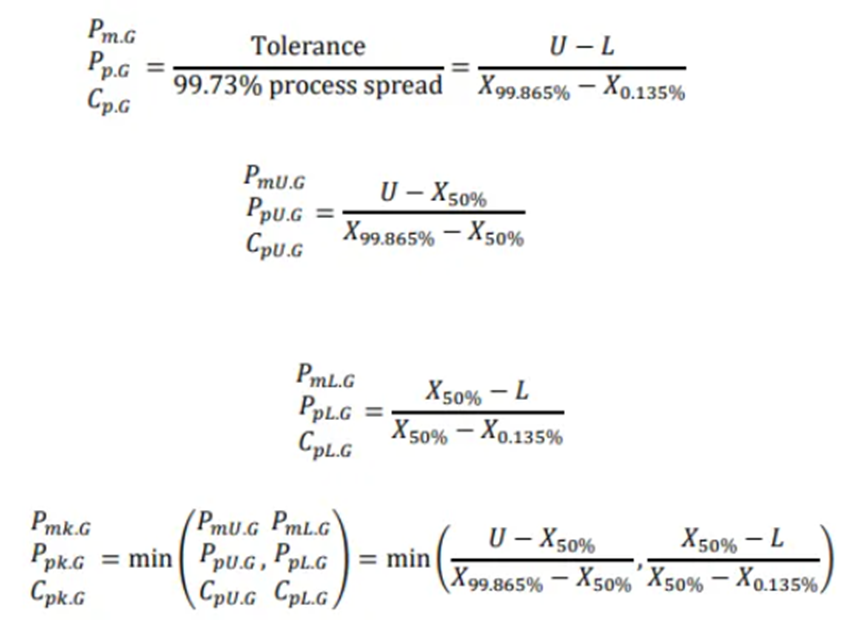
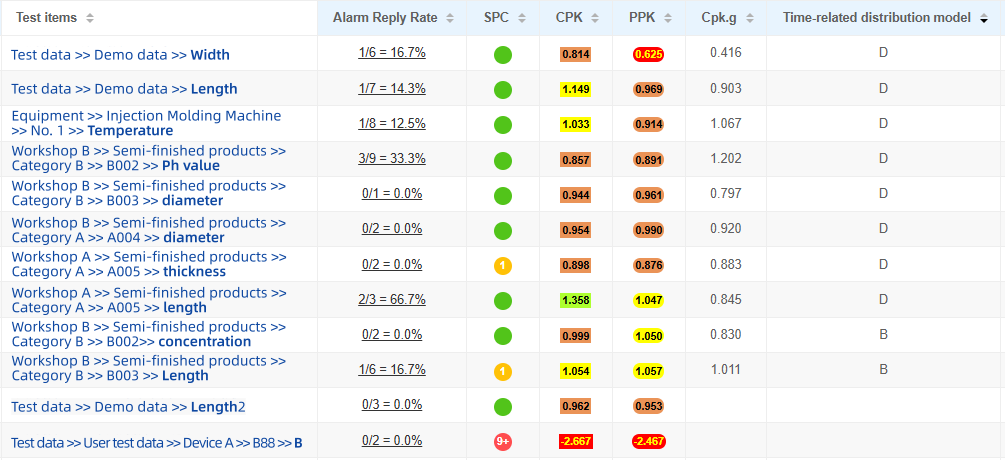
Within a quality control system, Pmk and Ppk are not redundant metrics, but rather distinct diagnostic tools used at different stages.…
Technical articles and insights on NEXSPC and Statistical Process Control (SPC).
Within a quality control system, Pmk and Ppk are not redundant metrics, but rather distinct diagnostic tools used at different stages.…
Thank you Giant Bicycles for choosing NEX SPC.
Discover why manufacturing shop floors fake Cpk data. Uncover the truth behind rigid audit standards, measurement errors, and normal distribution myths, and learn how automated SPC systems like NEXSPC 4.0 build true data integrity.…
High Cpk and Six Sigma are great, but if your shop floor still uses outdated Pass/Fail inspections, your SPC is just security theater. Discover why real quality experts use dedicated SPC software for real-time trend warnings instead of post-mortem box-ticking.…
Discover why Six Sigma projects often fail to build lasting quality control capabilities. Learn how modern SPC acts as the foundation for Industrial AI by creating a continuous, structured, and 4M1E-tagged data pipeline on the shop floor.…
Nex SPC helps enterprises quickly build an automated quality management closed loop with minimal effort.…
Discover why modern manufacturing must phase out embedded SPC workstations. Learn how centralized Web-based SPC platforms eliminate data silos, unify CPK algorithms, and enable true plant-wide quality management without abandoning existing hardware.…
Discover why modern smart manufacturing must abandon traditional standalone tools like Minitab. Learn how enterprise real-time SPC platforms use IoT data acquisition, 5M1E traceability, and LLM AI diagnostics for fully automated concurrent monitoring.…
Discover why SPC is the true underlying operating system of smart manufacturing. Learn the five crucial thresholds for SPC implementation, including MSA, data traceability, and OCAP, and how nexSPC powers the industrial AI data closed loop.…
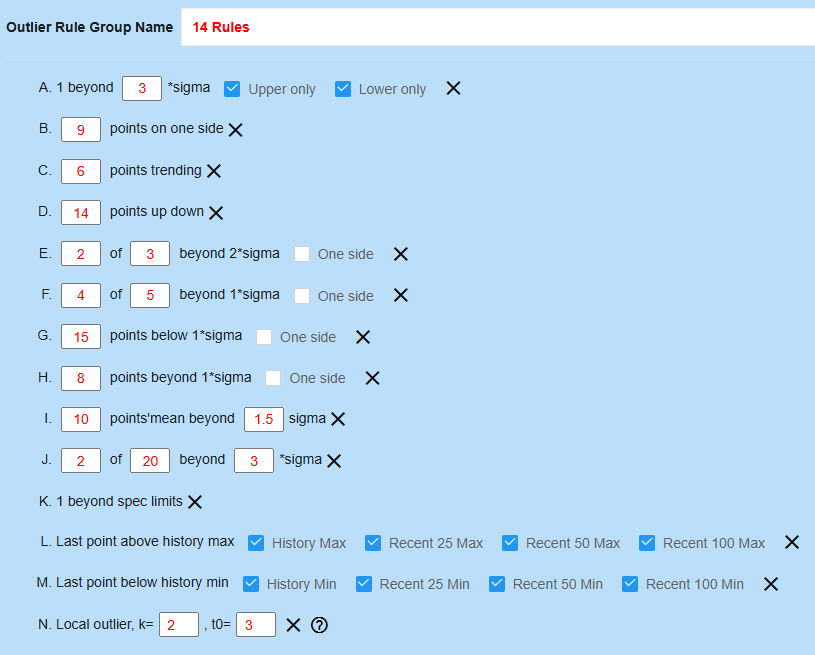
This article addresses quality engineers on how to handle auditor questions regarding why all 8 SPC rules aren't used. It argues that indiscriminately using all rules increases Type I errors (false alarms), destroys process stability, and misjudges physical laws. Rules must match process models and be backed by actionable Out-of-Control Action Plans (OCAP) supported by structured data.…