













Why the Real Cause of a Quality Problem Often Appears Earlier Than the Defect Itself
When a quality issue occurs on the production line, the first question engineers ask is usually straightforward:
"Which process parameter caused this defect?"
Modern manufacturing systems collect enormous amounts of production data every day. Temperatures, pressures, speeds, torque values, dimensions, machine status, and hundreds of other process variables are continuously recorded.
Yet despite having more data than ever before, manufacturers still struggle to identify the real causes of process variation.
Why?
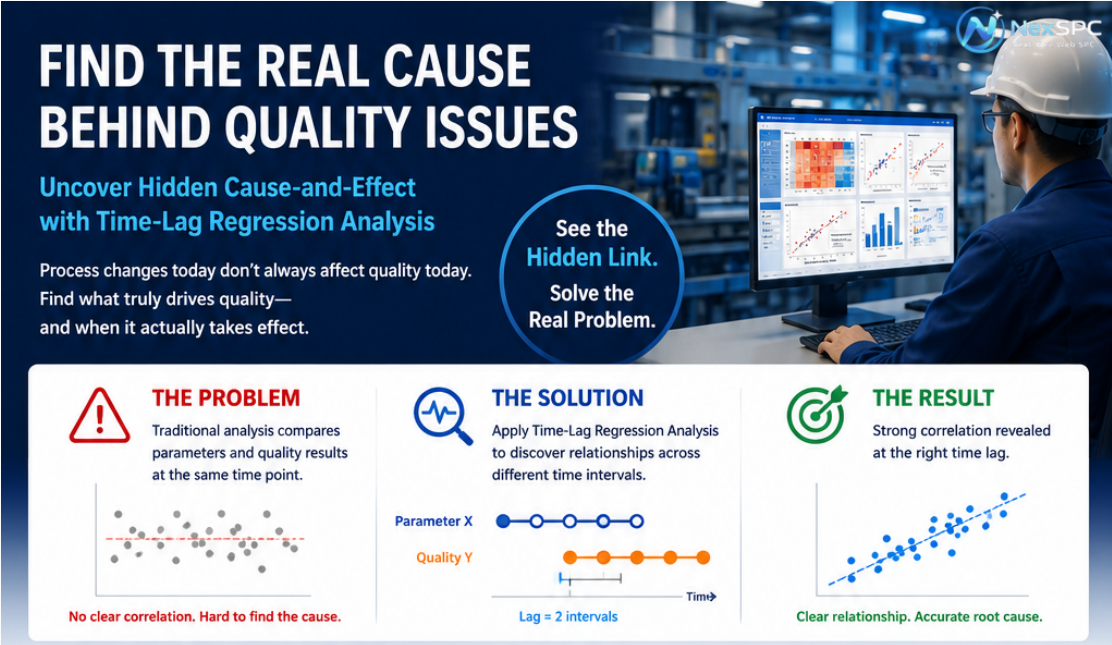
Because most analyses compare process parameters and quality results at the same point in time.
In reality, manufacturing processes rarely behave that way.
A parameter change that occurs now may not influence product quality until several minutes—or even several production stages—later.
This time-lag relationship is one of the most common reasons why traditional correlation analysis fails to identify the true root cause of quality problems.
The Hidden Challenge of Time-LLag Effects
Imagine an injection molding process.
A slight fluctuation in barrel temperature occurs at 10:00 AM.
However, the dimensional deviation does not appear until the molded parts reach final inspection several minutes later.
If engineers compare temperature and inspection results recorded at exactly the same timestamp, the correlation appears weak.
The actual relationship remains hidden.
This phenomenon exists across many manufacturing industries:
- Tool wear affects dimensions after several machining cycles.
- Furnace temperature changes influence product quality after material residence time.
- Coating thickness responds to process adjustments with measurable delay.
- Cooling conditions impact downstream dimensional stability rather than immediate measurements.
Without considering these delays, valuable process knowledge remains buried inside production data.
Moving Beyond Traditional Correlation Analysis
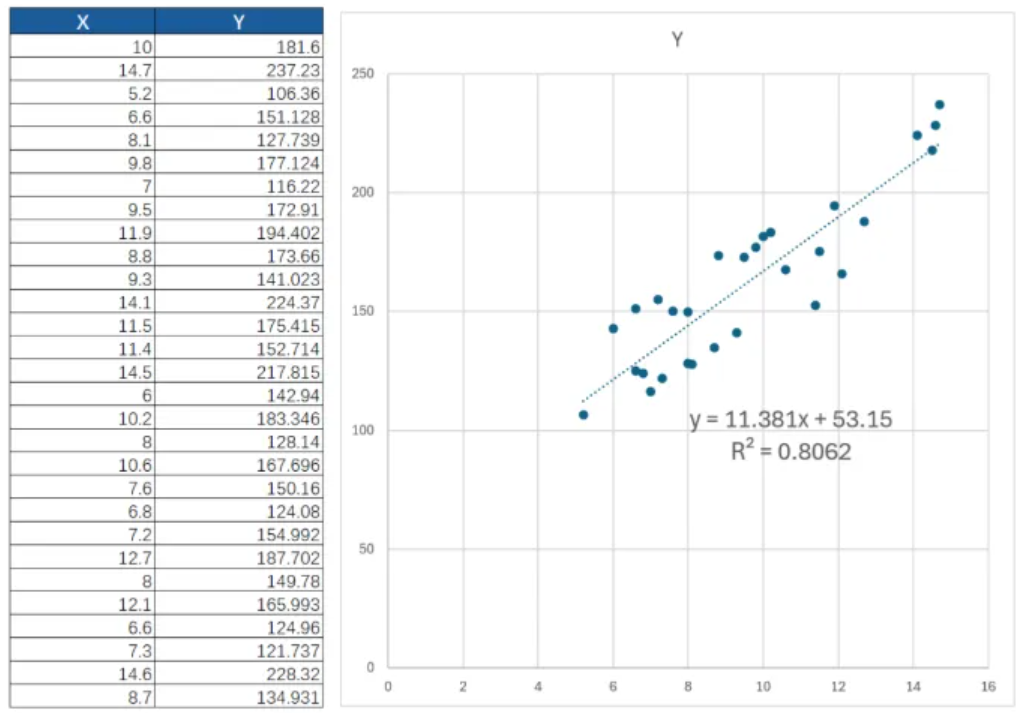
Conventional correlation analysis assumes that cause and effect occur simultaneously.
For many industrial processes, this assumption is unrealistic.
A more effective approach is Time-Lag Regression Analysis.
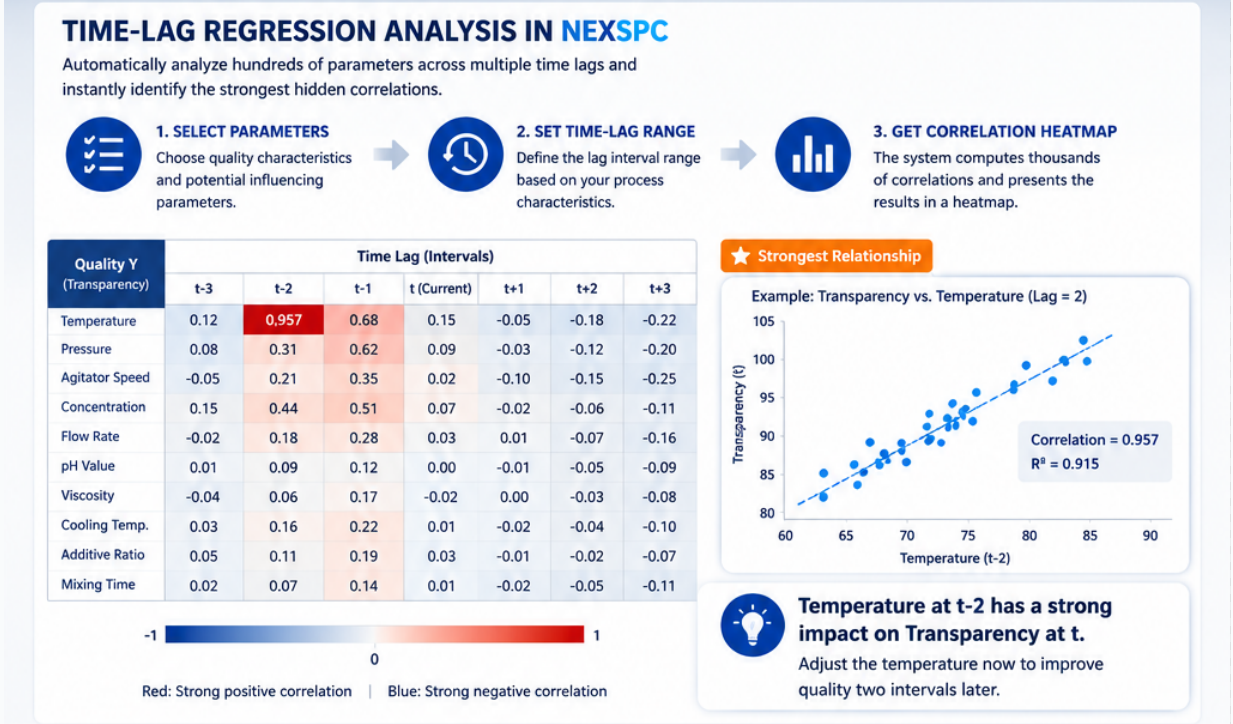
Instead of comparing variables only at the same moment, the analysis automatically shifts process parameters forward or backward across multiple time intervals to evaluate their relationship with quality characteristics.
This allows engineers to answer questions such as:
- Which parameter has the strongest influence on product quality?
- How long after a parameter changes does its effect become visible?
- Which process stage is truly responsible for the observed quality variation?
Rather than relying on manual trial and error, engineers gain objective statistical evidence that links upstream process behavior to downstream quality performance.
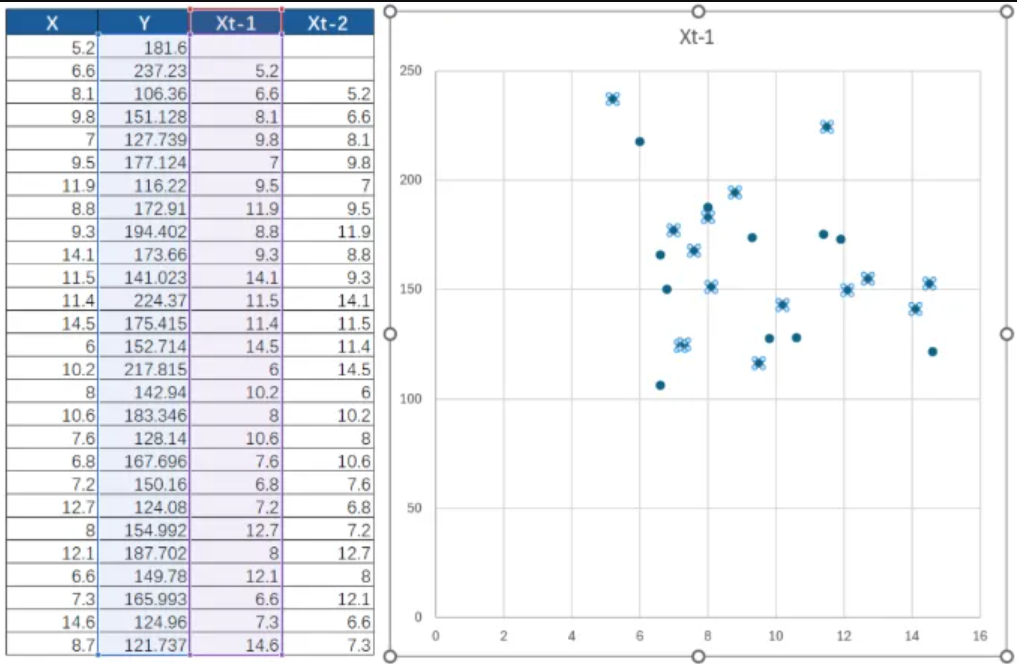
Automatically Discovering Hidden Cause-and-Effect Relationships
In a modern production environment, hundreds of process variables may interact with multiple quality characteristics.
Manually shifting spreadsheets and recalculating correlations is both time-consuming and impractical.
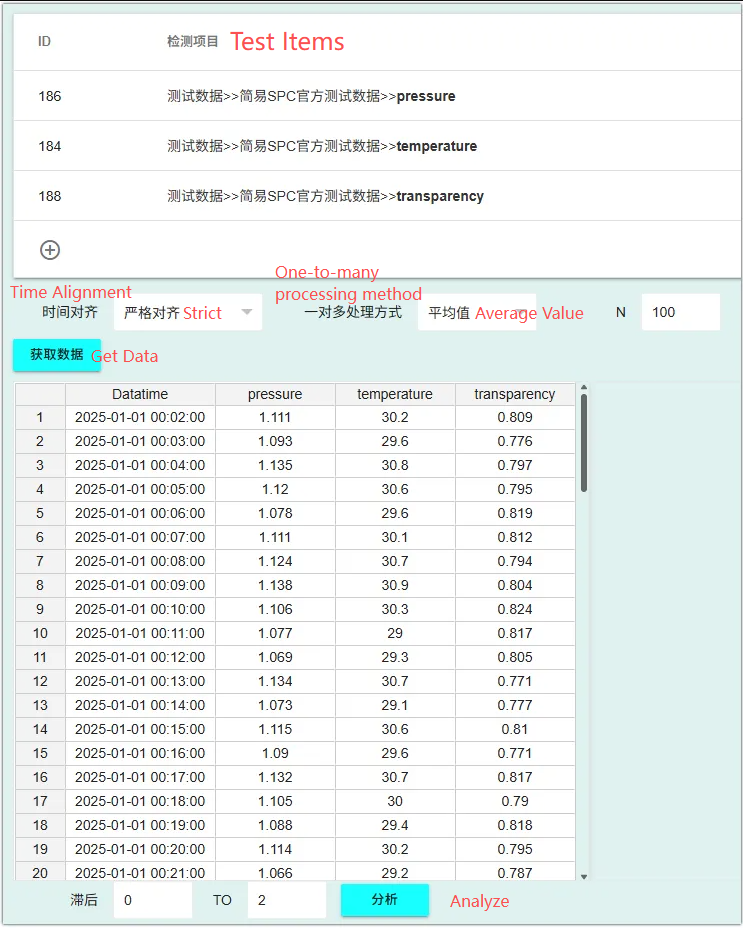
NexSPC automates this analysis by performing large-scale time-lag regression across multiple process parameters simultaneously.
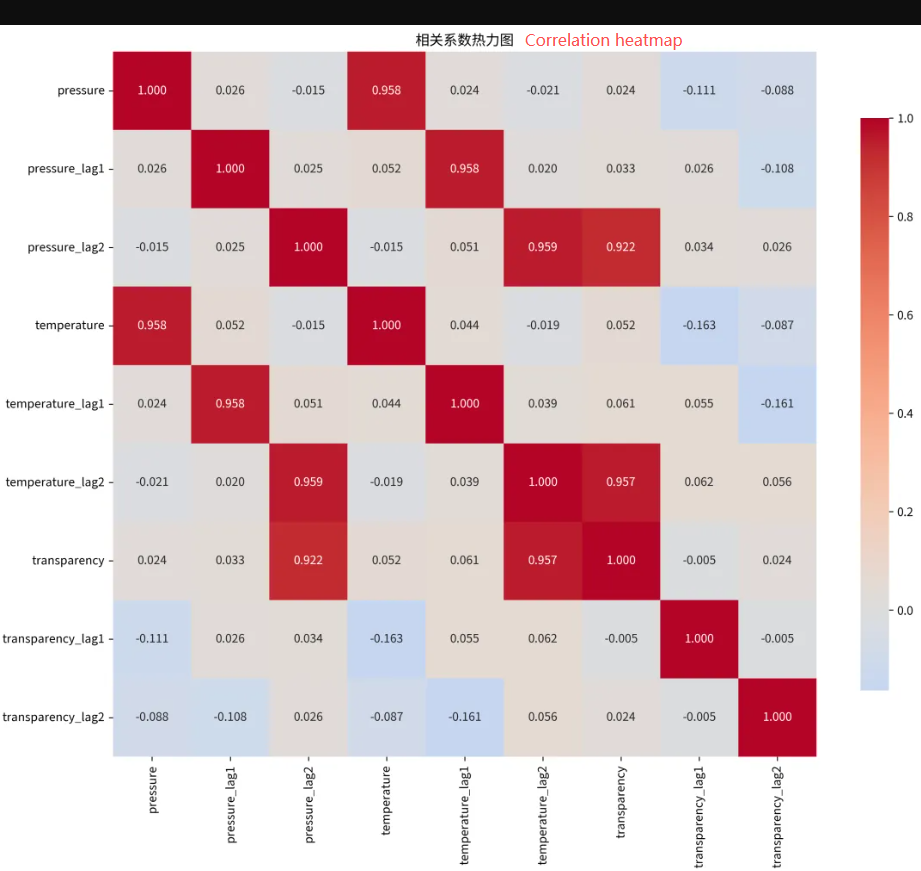
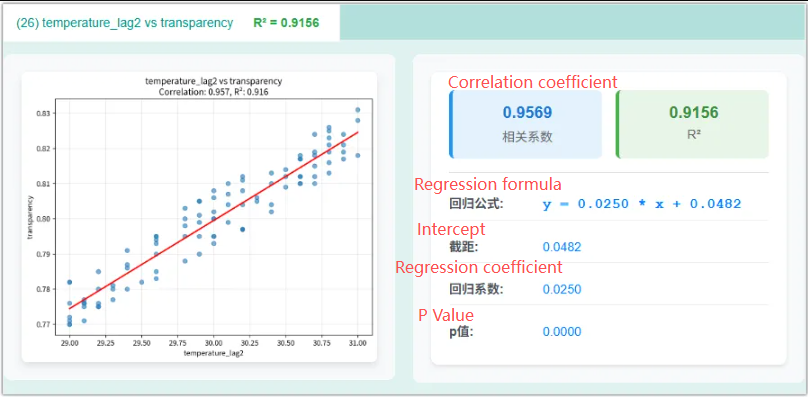
For every variable, the system evaluates correlations over configurable delay intervals, automatically identifying the time shift that produces the strongest statistical relationship.
The result is a ranked list of process variables, showing not only which parameter matters most, but also when its influence becomes significant.
This enables engineers to focus immediately on the most likely root causes instead of investigating hundreds of unrelated process signals.
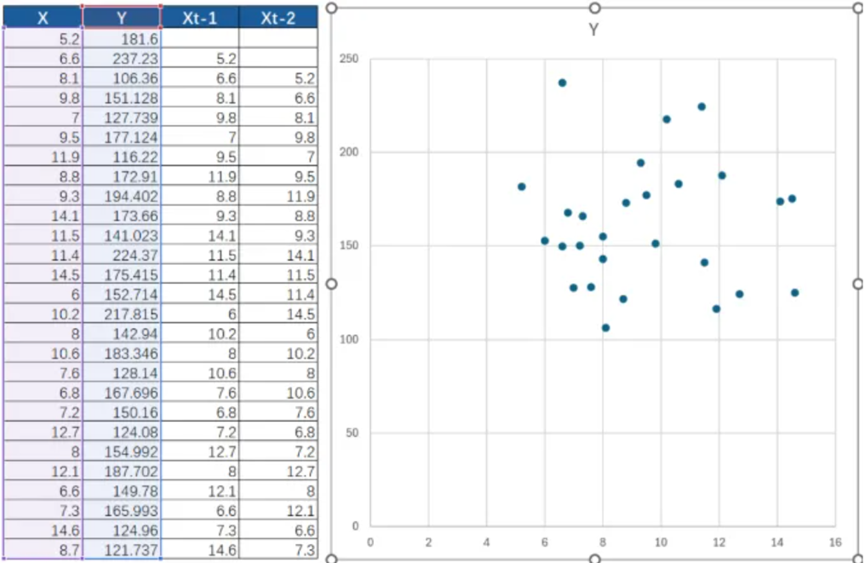
A Real Manufacturing Example
A manufacturer experienced recurring dimensional variation in a precision machining process.
Conventional correlation analysis failed to identify any significant relationship between measured dimensions and the monitored process parameters.
Using NexSPC's Time-Lag Regression Analysis, engineers discovered that spindle vibration showed only a weak correlation with quality measurements recorded at the same time.
However, after applying a production delay equivalent to several machining cycles, the correlation increased dramatically.
Further investigation confirmed that vibration gradually affected tool wear, which in turn influenced dimensional accuracy several cycles later.
By identifying both the responsible parameter and its delayed effect, the engineering team implemented targeted maintenance before product quality was impacted.
The result was faster root cause identification, reduced troubleshooting time, and improved process stability.
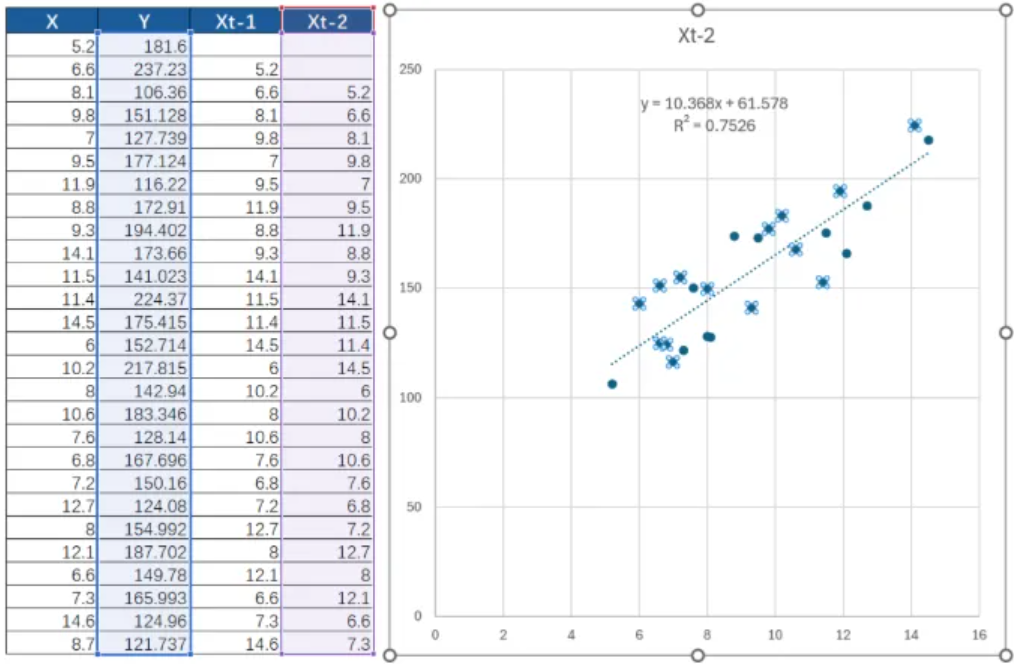
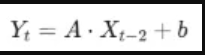
Why Time-Lag Analysis Matters
Manufacturing data tells a story.
But cause and effect rarely occur at exactly the same moment.
Without considering time delays, manufacturers risk overlooking the real relationships hidden within their production data.
By combining large-scale time-lag regression with automated statistical analysis, NexSPC helps manufacturers:
- Reveal hidden process relationships
- Identify true root causes faster
- Reduce manual data analysis
- Improve engineering decision-making
- Turn historical production data into actionable process knowledge
Instead of asking only "What happened?", manufacturers can finally answer the more valuable question:
"Why did it happen—and when did it actually begin?"
Conclusion
The future of quality improvement is not simply collecting more manufacturing data.
It is understanding the hidden relationships within that data.
By introducing time-lag variables and automating large-scale regression analysis, NexSPC transforms disconnected production records into meaningful engineering insights.
Because the real root cause of a quality issue is often not where the defect appears.
It's where the process first began to change.